
In recent years, I have observed a noticeable rise in temperatures within urban spaces. What was once considered a seasonal challenge has increasingly become a persistent reality that affects everyday life. Heat is no longer experienced merely as an environmental condition; it has evolved into a social and public health concern that shapes how people work, travel, and survive. Through my observations, I have come to understand that the burden of extreme heat is not distributed equally. Instead, it falls most heavily upon those who possess the fewest resources to protect themselves from its consequences.
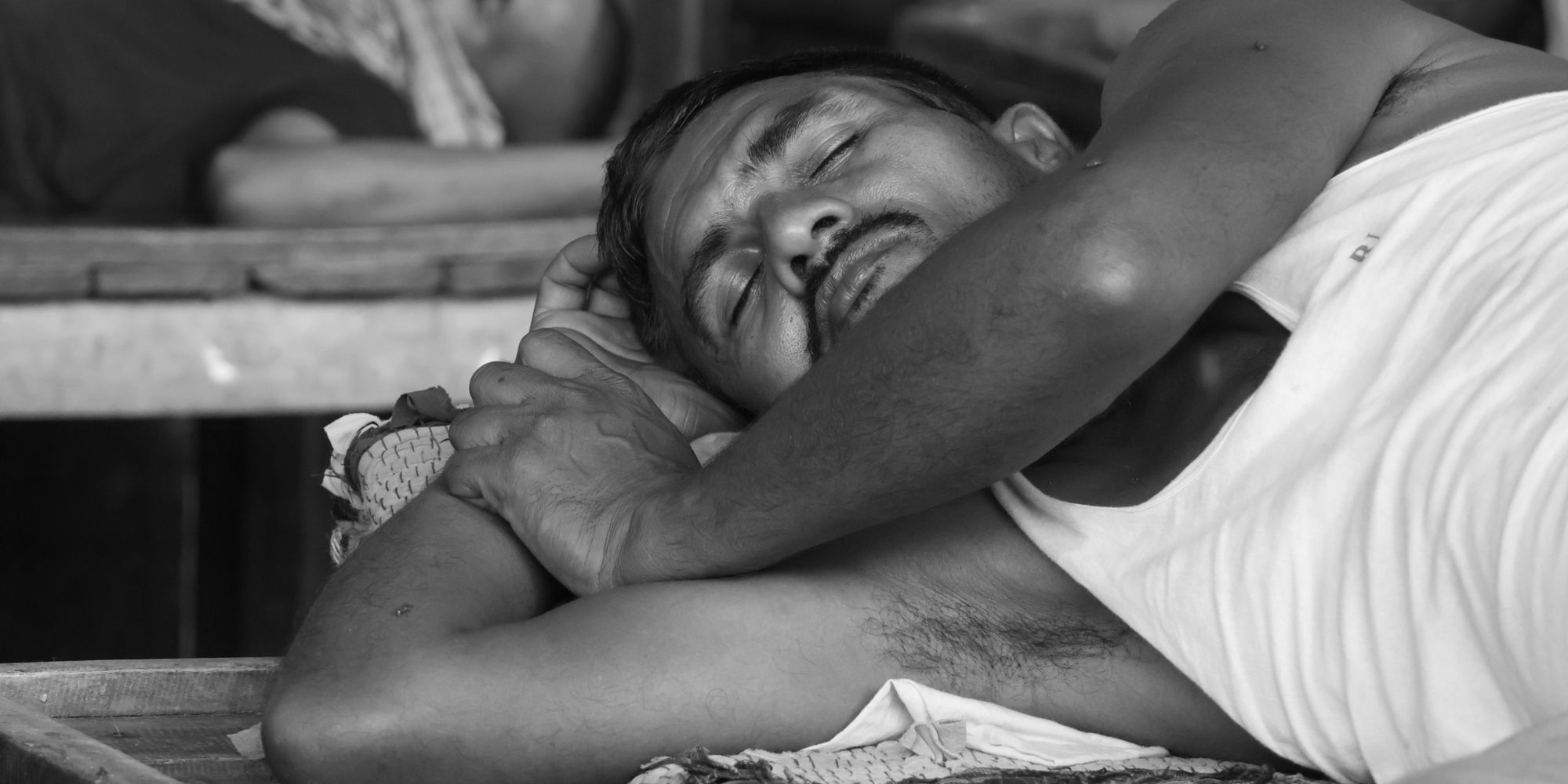
I encounter the effects of heat in nearly every aspect of city life. Roads radiate warmth long after sunset, public spaces offer little shelter, and outdoor workers continue their labor despite physically exhausting conditions. While technological solutions such as air conditioning provide relief to some, a significant portion of the population remains dependent on limited and often inadequate means of protection. This disparity highlights the unequal relationship between environmental challenges and socioeconomic realities. The impact of extreme heat extends beyond physical discomfort. Prolonged exposure contributes to dehydration, exhaustion, reduced productivity, and increased health risks. I have observed how rising temperatures alter daily routines, forcing individuals to seek shade, postpone activities, or endure conditions that compromise their well-being. For many workers, particularly those employed in informal sectors, avoiding heat is not an option. Economic necessity often requires continued labour regardless of environmental conditions. Consequently, the ability to earn a livelihood becomes directly connected to the ability to withstand extreme temperatures.
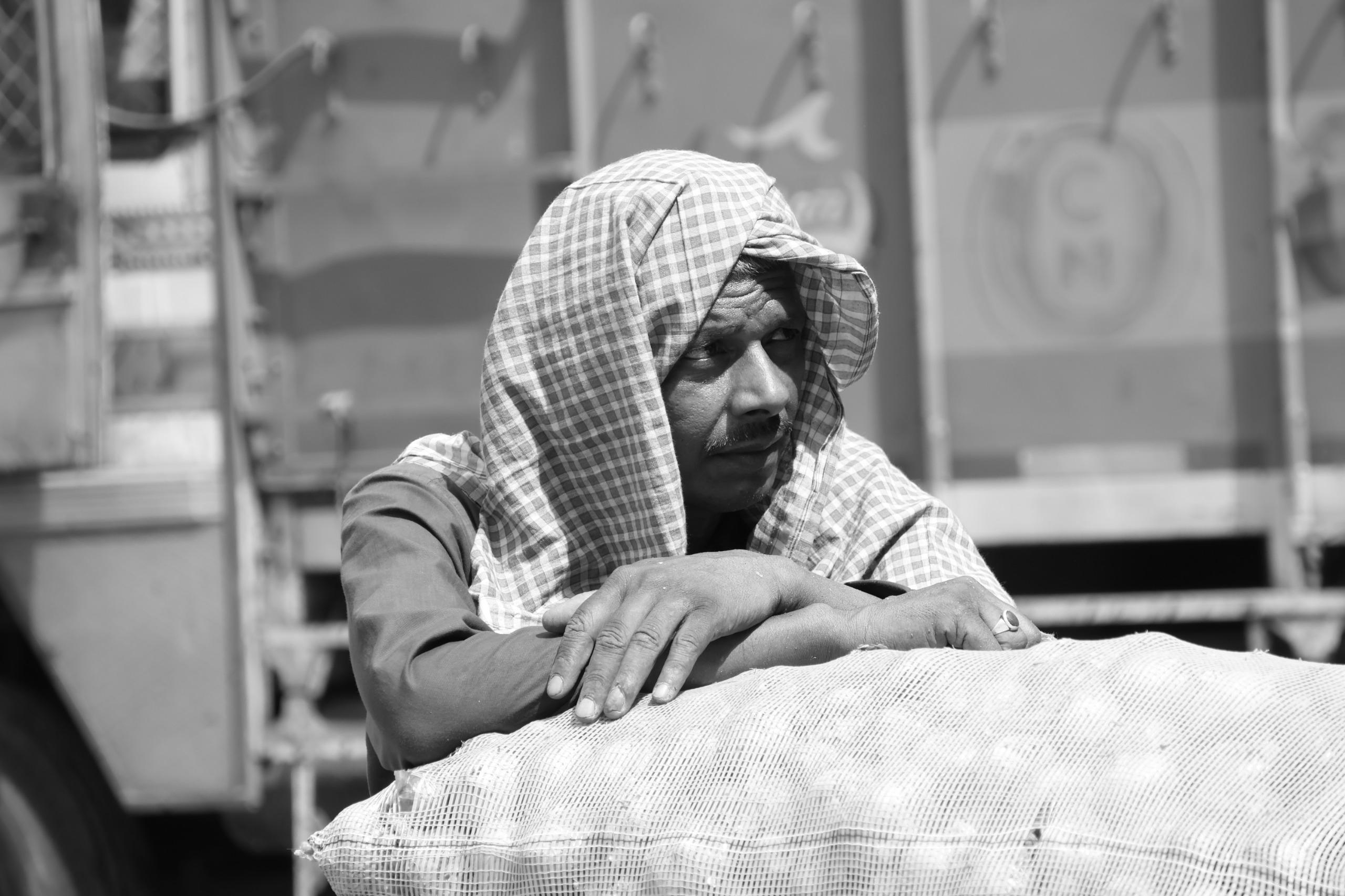
From my perspective, one of the most concerning aspects of urban heat is the lack of accessible support systems. Public cooling spaces remain limited, drinking water facilities are often insufficient, and awareness regarding heat-related illnesses is not always widespread. Although heat waves are frequently discussed in weather forecasts and public advisories, practical measures at the local level often fail to match the scale of the challenge. This disconnect between awareness and implementation leaves many individuals vulnerable during periods of extreme temperature.
I also recognize that urban development itself contributes to the problem. Expanding concrete infrastructure, diminishing green spaces, and increasing vehicular activity have transformed many cities into environments that retain and intensify heat. The absence of trees and shaded areas reduces opportunities for natural cooling, while densely built environments create conditions in which heat accumulates throughout the day. As cities continue to grow, the relationship between urbanization and rising temperatures becomes increasingly difficult to ignore.
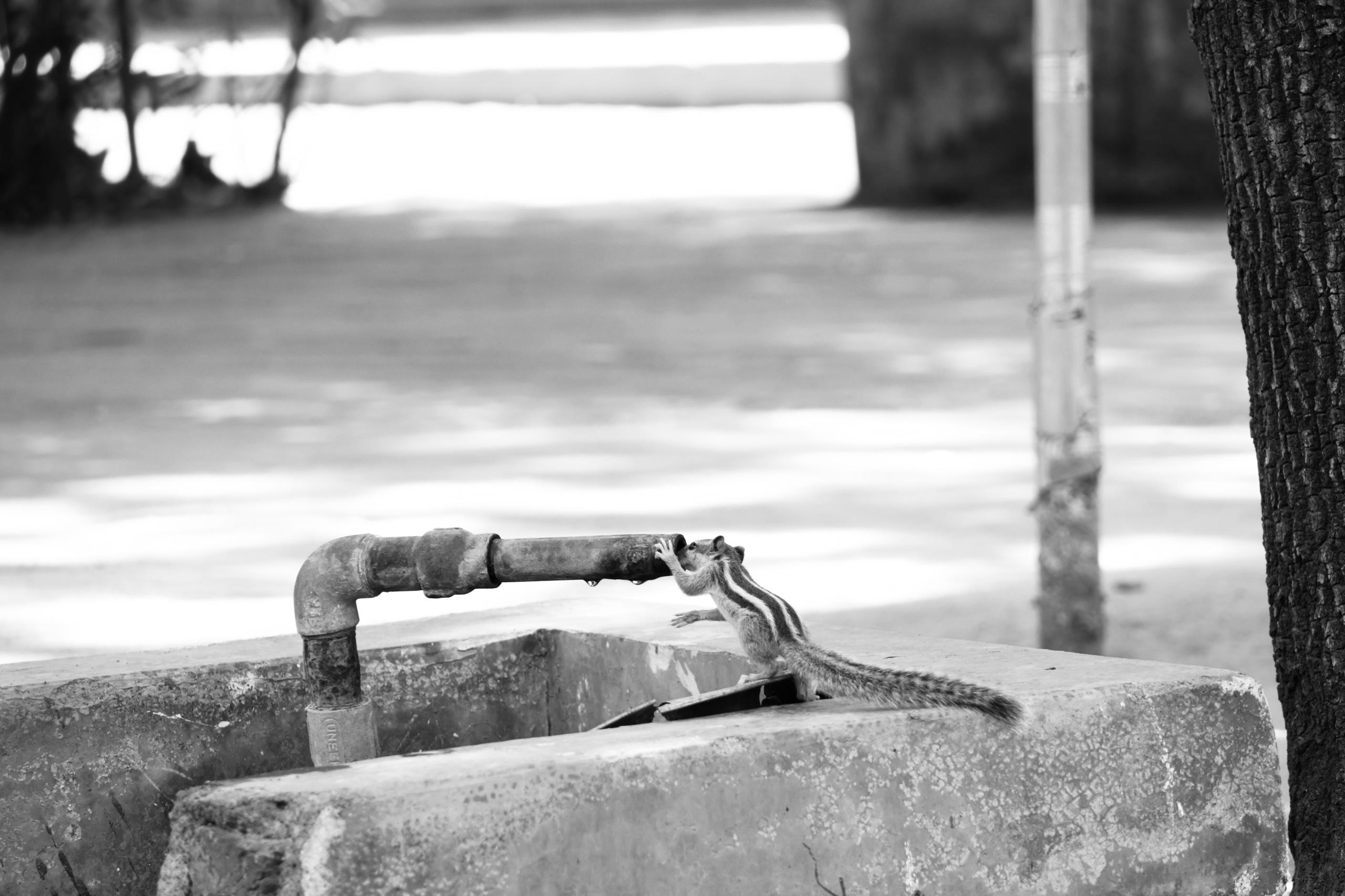
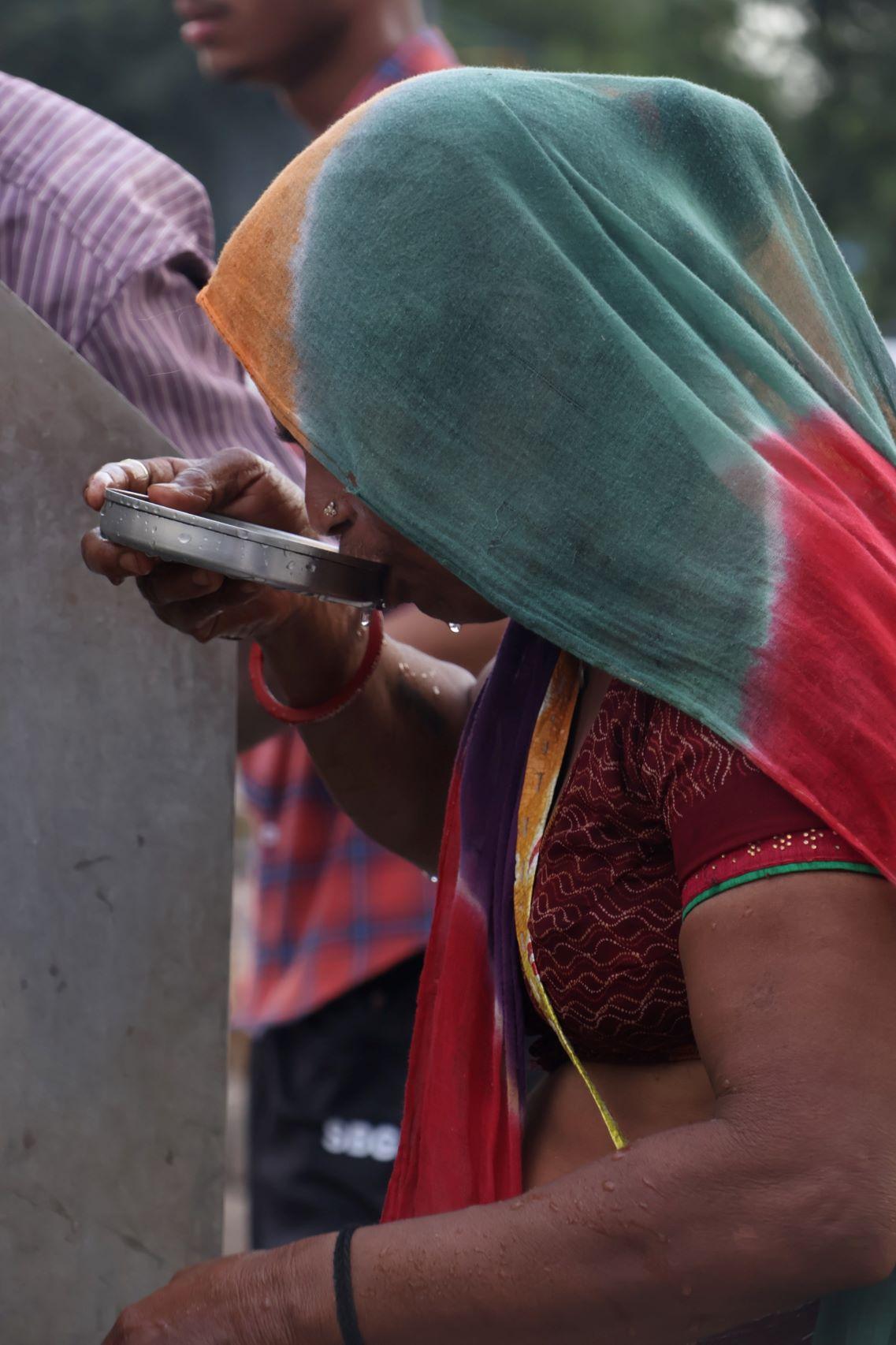
My observations have led me to conclude that extreme heat represents one of the most visible manifestations of a changing climate. Yet its effects often remain overlooked because they are experienced gradually and routinely rather than through sudden catastrophe. The normalization of discomfort, exhaustion, and vulnerability risks obscuring the seriousness of the issue. When adaptation becomes a daily struggle rather than a deliberate choice, it signals a broader failure to address the underlying causes and consequences of environmental change.
Ultimately, the challenge of urban heat raises important questions regarding public responsibility, social equity, and environmental sustainability. As temperatures continue to rise, the need for effective intervention becomes increasingly urgent. Through reflection and observation, I have come to view heat not only as a climatic phenomenon but also as a measure of how societies respond to vulnerability. The ability to create safer, cooler, and more inclusive urban environments will play a crucial role in determining how communities confront the realities of a warming world.
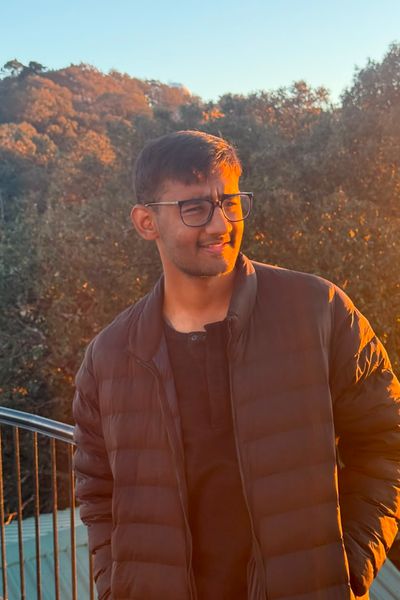
Mohammad Yusuf is a student pursuing a B.Com at Jamia Millia Islamia.
Disclaimer: The opinions expressed in this publication are those of the author. They do not purport to reflect the opinions or views of The Jamia Review or its members.