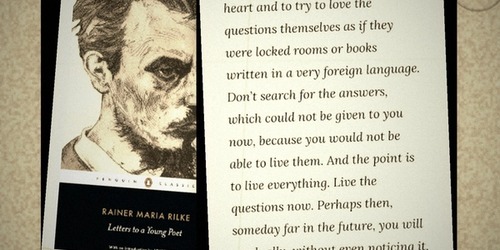
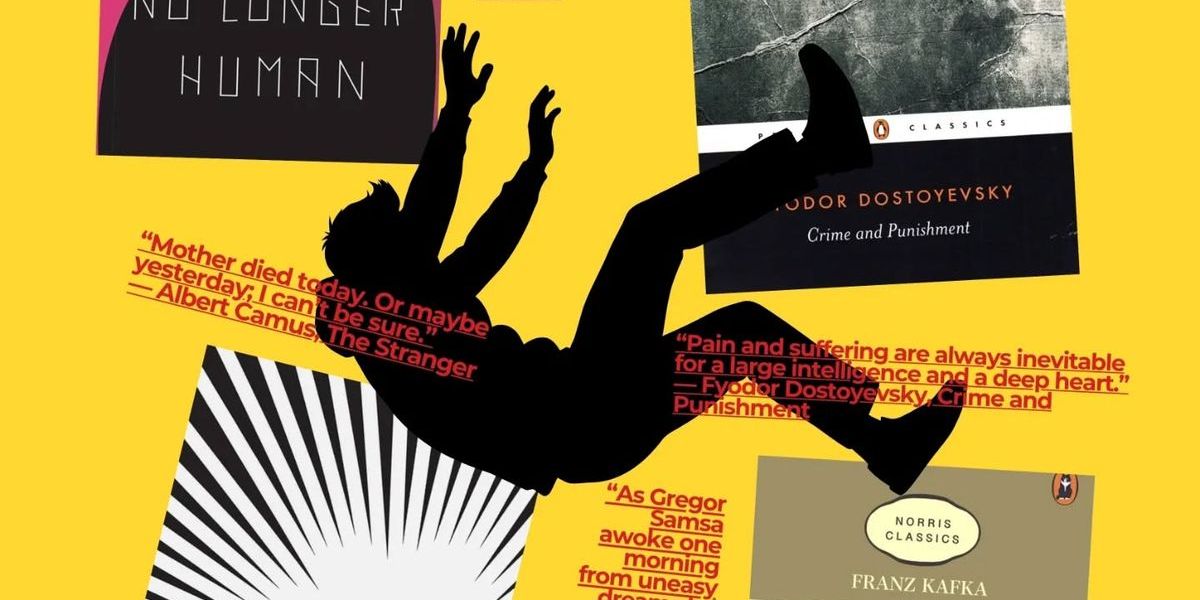
In the era of excessive internet addiction and doom scrolling, Gen Z is turning to classic literature, particularly to psychological and existential, as a form of self-exploration and resistance to digital overload. Authors like Kafka, Dostoevsky etc are finding resonance through their writings and explorations on anxiety, identity and existential concerns that majorly affect the today's generation navigating mental health and societal uncertainty. This revival is neither due to nostalgia nor aesthetics but rather rooted in search for meaning, depth and emotional integrity in an increasingly chaotic and overwhelming world.
With widespread technological breakthroughs in the present-day world, humans are getting increasingly immersed in and habituated to the digital world. There is a growing need to explore a world beyond such overwhelming amounts of information, in order to overcome perfectionist ideals and discover one's true self. In this era dominated by fast-paced content, reel culture, and algorithm-driven attention spans, books by classic authors are making a surprise return to the spotlight. What we are seeing is not merely a casual interest in old books but rather a remarkable renaissance of classic literature, particularly writings by existential and psychological authors like Franz Kafka, Fyodor Dostoevsky, Albert Camus, and Osamu Dazai.
On platforms like Booktok and its cousin Bookstagram, these writers are getting new life among online reading communities. Outstanding among modern literature works, their writings speak to a generation dealing with uncertainty, anxiety, and identity crises. This connection is largely due to the fact that Gen Z is often regarded as the most mental health-conscious generation, with a unique understanding of mental illness and disorders that distinguishes them from previous generations. The emotional world of these writers is increasingly similar to the psychological ground with which Gen Z navigates today.
For instance, Dostoevsky writes about guilt, morality, and the chaos of the human mind. In his books, characters such as Raskolnikov (Crime and Punishment) and Ivan Karamazov (The Brothers Karamazov) appeal to the young generation who are searching for meaning and responsibility. Similarly, Kafka captures the feeling of being stuck in a rigid and exhausting system of education, bureaucracy, and overall social expectations, with his protagonists representing today's struggle for self-discovery in a conformist world.
Moreover, Camus through his books like The Stranger and The Myth of Sisyphus, voices the absurdity of existence. He highlights the conflict of humanity's search for meaning and the indifference of the universe to it, a feeling that aligns with Gen Z's experiences of dissatisfaction with conventional institutions and the need to cope with a world that sometimes feels chaotic and hopeless. Meanwhile, Dazai's thoughts on isolation and self-doubt in No Longer Human express feelings of depression and identity fragmentation. Gen Z's candor about therapy, burnout, anxiety, and loneliness, hence, builds a natural bond with authors who have dared to expose the vulnerability and fragility of the human psyche long before it was considered socially acceptable.
A major reason for the revival is also the unprecedented accessibility of classics, including free e-books on internet platforms and audiobooks on Spotify and YouTube to cheap paperback copies available in local markets. In addition to this, Japanese literature, including Dazai, spreads through animation series and manga cultures, whereas other authors enter Gen Z discourse via philosophy feeds, film adaptations, and online philosophy clubs. Dostoevsky's philosophical and thought-provoking insights, Dazai's reflections of loneliness, and Kafka's "you are free and that's why you are lost" all catch eyes and influence Gen Z's taste in literature.
However, Gen Z does not read these authors in a passive way; they try to interpret the words through their own lens. Every author's work carries different and unique interpretations for different readers. Although some of the themes resonate universally, the impact of the text on every individual's perspective differs starkly. This flux of interpretations and reinterpretations make classic literature relevant and constantly evolving. In the intense world of the internet, classic literature requires slow and reflective reading to to be thoroughly comprehended. For Gen Z, this is not old-fashioned or traditional but rather subversive and introspective. Choosing to read Kafka instead of doom scrolling or opting to discuss Dostoevsky rather than consuming fast media, is an act of rebellion. It represents a desire for depth in a shallow environment and a yearning to search for the meaning of life in an extremely materialistic modern society.
While some highbrow critics may dismiss it as “pseudo-reading”, a surface-level aestheticization of complex literature, grouping an entire wave of curiosity and engagement under that label would be presumptuous and frankly unfair. This renewal of classic literature among Gen Z is driven majorly out of necessity rather than nostalgia, as these authors seem to engage their minds with profound moral, rational and conscious questions of the self. They provide a medium for discussing emotions and dilemmas that modern cultures struggle to articulate. Ultimately, the renaissance of these classic books is not merely a revival of old textbooks, but rather a reinvention of them, serving as timeless companions for a generation looking for meaning in an increasingly chaotic and confused world.
Toyiba Yousuf is a student pursuing a Multidisciplinary degree at Jamia Millia Islamia
Edited by: Sharmeen Shah
Disclaimer: The opinions expressed in this publication are those of the author. They do not purport to reflect the opinions or views of The Jamia Review or its members.