
To describe Dayanita Singh as merely a photographer ‘clicking pictures' dismisses her core artistic philosophy. According to Singh,
“What does it mean now to be a photographer, when even a 6-year-old can take the images that make the story. Perhaps the best one can do is to facilitate people in the telling of their own stories, themselves. To be no more than a ‘midwife’ in their delivery, if that.”
Winner of the Hasselblad Award, Singh has dedicated her entire career to transcending the boundaries set by traditional photographers while simultaneously trying to create a space of her own in a male-dominated field. Singh's journey as a photojournalist officially began after she graduated from the International Centre of Photography in New York City. Initially commissioned by The Times, London in 1989 to capture the lives of the eunuchs or the hijra community in India, specifically Delhi, Singh ventured into the streets of Old Delhi where she was first introduced to Mona Ahmed, who proceeded to be Singh's muse for her foundational, as well as most renowned, book-object Myself Mona Ahmed (2001).
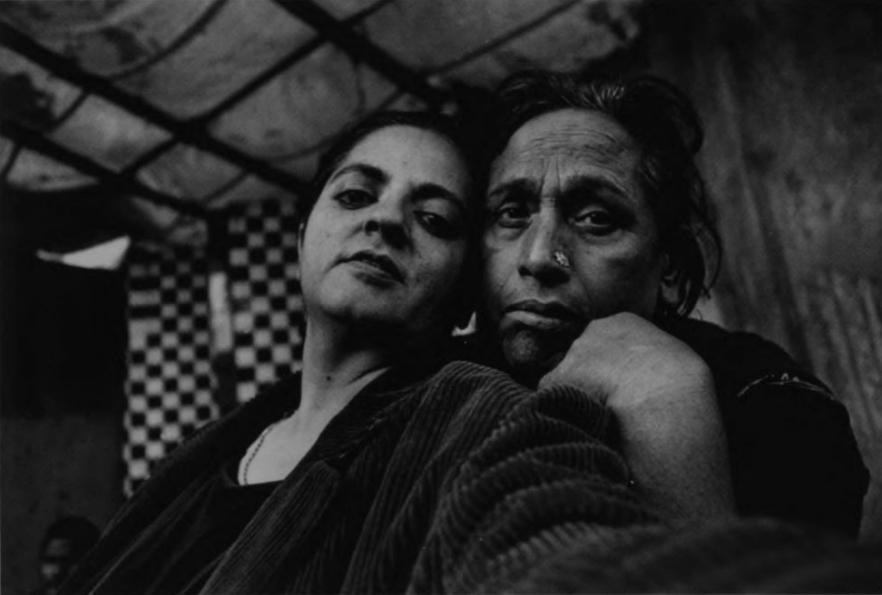
The relationship between Dayanita and Mona was not confined to merely professional boundaries but evolved into a deep and profound friendship of nearly three decades, bypassing sex, caste, religion and society but just two individuals trying to survive this cruel world that was constantly trying to push them down, which made Myself Mona Ahmed not just a photo journal of a marginalized community in India (Delhi) but the biography of an individual with embedded intimacy of a castaway’s deep rooted pains and struggles to survive in the society. Singh completely dismantled the traditional journal dynamic by stepping back and handing the textual narrative over to the pictures of Mona, letting them speak to the readers for itself, all the while integrating black-and-white images with emails with Walter Keller - one of the founders of Scalo (publishing house of Myself Mona Ahmed ), conversations, and long passages written by Mona in her own, honest words which were also made the captions of the pictures in the book.
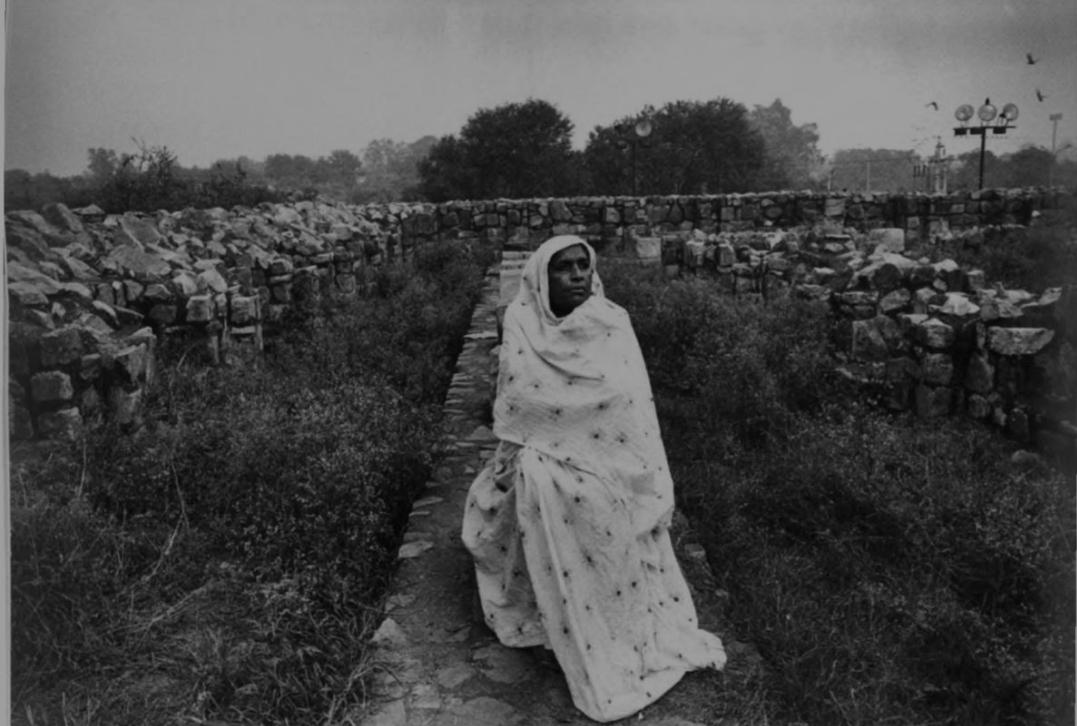
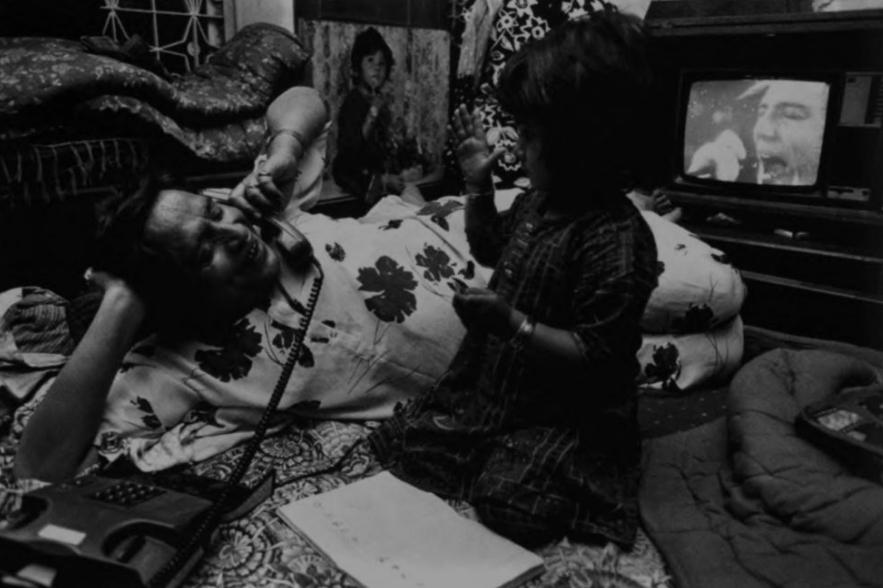
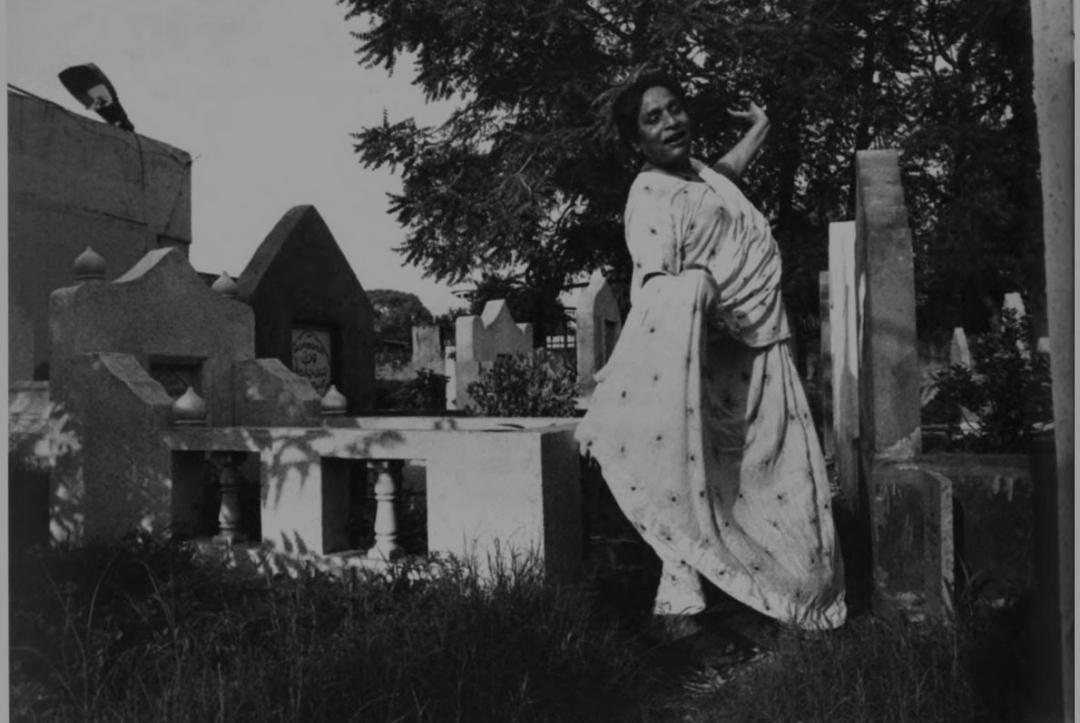
Mona addresses the reader directly, sharing her heartbreaks, her struggles after she was ostracized by both worlds- her home as well as the hijra community later due to her increasing precarious lifestyle habits- as well as her daughter, Ayesha, being taken away from her and moved into a Delhi graveyard, making a home among the tombs and finding her peace in animals before passing away in 2017.
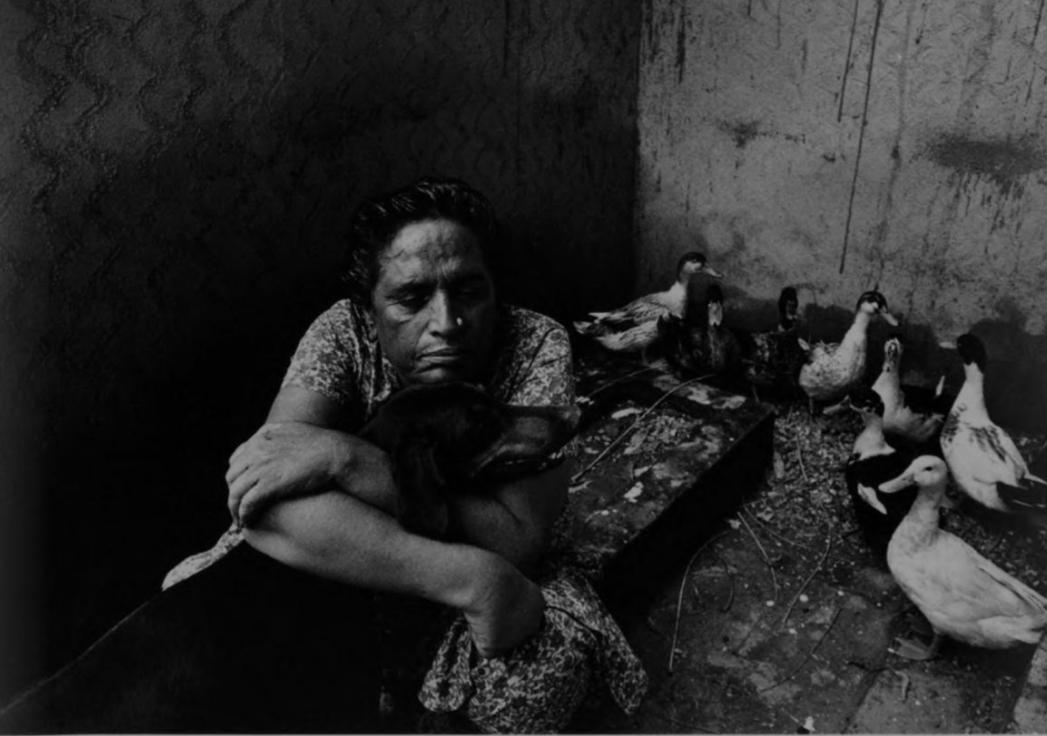
Singh, however, expressed her dissatisfaction in representing Mona’s true self as this work had often been classified as merely a study of Indian eunuchs or the Indian Hijra community when, for Singh, it was more than just representing a community; it was about representing the life of Mona as an individual, an artist, and foremost a true friend. This, therefore, inspired her to create the film Mona and Myself, which depicts Mona, not who everybody knew as a subject of Singh and a part of the enunch community, but the Mona Dayanita Singh knew as a strong, bubbly, sensitive, and caring person that she was.
“For some time now, I had been playing with the Mona work, trying to find another form for the work, something that could be a true portrait of Mona. I always felt that in almost 25 years of photographing her, I had never been able to do her justice, [to] her uniqueness. Finally, I found the form with the moving still image, which is a still [black-and-white] portrait of Mona, listening to her favourite song. At first she appears like someone who has just [woken up], then she gets the song, and finally she becomes the song.”
-Dayanita Singh, 2013.
Mohammad Yusuf is a student pursuing a B.Com at Jamia Millia Islamia.
Disclaimer: The opinions expressed in this publication are those of the author. They do not purport to reflect the opinions or views of The Jamia Review or its members.